
Work Truck Week 2026: Transforming Hardware Operability in the Next Generation of Work Trucks
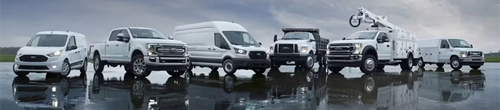
The work truck industry rarely changes at once. Progress usually arrives in waves: a new chassis platform, a shift in body architecture, a gradual change in how fleets measure productivity. Today, those waves are starting to overlap. Electrification is expanding across more vehicle classes; connected systems are reshaping how fleets manage assets, and advanced driver assistance systems are steadily moving into commercial applications. Each development introduces new capabilities while increasing the complexity of vehicle design and integration.
Work Truck Week 2026 arrives at the center of this transition, bringing together key conversations as these overlapping changes reshape the industry. Across the keynote and technical sessions, the industry will examine how multi-stage vehicles are evolving and what those changes mean for manufacturers, upfitters, and fleets that build and operate them. These conversations extend well beyond powertrains or software platforms. They reflect a broader shift toward commercial vehicles that function as coordinated systems rather than collections of independent components.
 |
Where Upfitting Meets Emerging Vehicle Technology
Many of the most important changes in the work truck industry are happening at the intersection of vehicle technology and equipment integration. As electrification, connectivity, and advanced safety systems enter commercial platforms, the responsibility for making those technologies work in the real world increasingly falls on upfitters and equipment manufacturers.
Sessions throughout Work Truck Week reflect this shift. Discussions around adapting upfitting practices examine how electrified power systems influence body design, equipment compatibility, and installation strategies. Panels focused on ADAS adoption highlight how sensor placement, visibility requirements, and mounting locations affect the engineering of service bodies and equipment. Other sessions explore connected vehicle technology, cybersecurity considerations, and the role of telematics data in shaping fleet operations and vehicle maintenance.
These conversations reveal a common reality for the industry. As vehicle technology advances, the complexity of integrating bodies, equipment, and functional access points increases. Success depends on designing systems that work together from the start, so the finished vehicle performs reliably in the field.
Integration Is the New Engineering Challenge
For manufacturers and upfitters, the challenge is no longer just selecting quality components. Electrical systems now influence equipment packaging. Sensors and cameras require clear placement for proper visibility. Power management changes the way accessories and auxiliary equipment connect to the vehicle. Every advancement brings new opportunities for capability, but also new design considerations.
This complexity shows up in less obvious places. It’s not just about engines, drivetrains, or digital platforms. You'll notice it in the truck's physical interfaces: the compartment technicians open during the day, the access points that protect tools and electronics, and the mechanical systems that enable reliable operation in tough conditions. Hardware that once served as a simple function now interacts with electrical systems, packaging, and user needs.
When these elements are designed separately, integration challenges appear quickly. Engineering them with the larger vehicle system in mind allows the entire platform to work better in the field.
Where Hardware Meets the System
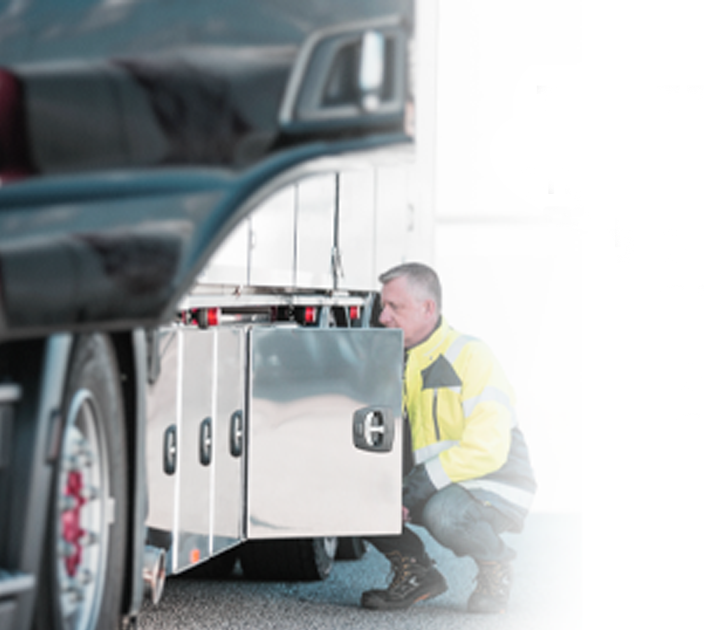 |
In a multi-stage vehicle, hardware plays a bigger role in performance than it might seem at first. A latch, hinge, or access system must function reliably while coexisting with wiring harnesses, sensors, and structural parts. At the same time, these components directly shape how technicians or operators use the truck each day.
As vehicle platforms change, expectations for these systems change too. Hardware must support new electrical environments and adapt to shifting packaging needs. It must also remain durable under demanding duty cycles. These growing needs make hardware a crucial part of the overall vehicle system. |
Transforming Hardware Operability
At Allegis, we approach this challenge with a unique focus on Transforming Hardware Operability. Unlike providers who simply deliver hardware components, Allegis combines engineering expertise with a systems-based approach to ensure our products are integrated effectively within the vehicle. Our value lies in delivering hardware solutions that enhance overall vehicle performance, reliability, and user experience.
This philosophy begins with a total systems perspective. Allegis combines a broad portfolio of proven hardware products with custom design capabilities, enabling the development of solutions for specific vehicle applications. The vehicle platform, body configuration, equipment layout, and end-user operational demands all influence the final hardware system.
With this approach, manufacturers and upfitters can integrate Allegis' access systems seamlessly into their vehicle designs. Our commitment to reliability, tailored engineering, and supply chain support—including services like Vendor-Managed Inventory—enables our partners to build vehicles that perform in complex environments and at production scale.
Designing Hardware for the Vehicles Ahead
As commercial vehicles advance, hardware development must keep up. Product engineering now focuses on supporting modern vehicle architecture. Modular hardware systems let designs scale across various vehicle classes and equipment packages. Interoperability ensures components work in complex electrical and mechanical settings. Hardware also needs to be electrification-ready to handle changing power systems while remaining durable for heavy commercial use.
These priorities ensure vehicles are reliable and deliver a superior experience to those who rely on them every day.
Continue the Conversation at Work Truck Week
Work Truck Week 2026 will gather manufacturers, upfitters, and fleets to discuss the forces shaping new commercial vehicles. Sessions will cover electrification, connectivity, safety standards, and the challenges fleets face as technology adoption speeds up. These conversations highlight a common theme for the industry. As vehicles advance, good design depends on each system working together. Mechanical hardware, electrical architecture, and user interaction all shape how the vehicle performs on the jobsite.
At Work Truck Week, visit Allegis at booth 5037. See how our total systems approach to hardware design helps manufacturers and upfitters build vehicles that perform reliably in a complex ecosystem. Our team will discuss how hardware operability supports vehicle integration, durability, and user experience as the industry enters its next phase of innovation.