

Engineering Trust: Rethinking Access Hardware in the Electronic Gaming Industry
The bright lights and sounds of the casino floor are designed to draw players in, but beneath the spectacle lies a constant tension that rarely makes headlines: how to keep electronic gaming machines (EGMs) secure, compliant, and operational in an industry that runs on trust. As thousands of industry leaders gather at the Global Gaming Expo (G2E), much of the attention will focus on new titles, immersive cabinets, and the technology driving next-generation entertainment. Yet the backbone of every machine—the hardware that governs access, protects revenue, and ensures compliance—deserves just as much visibility.
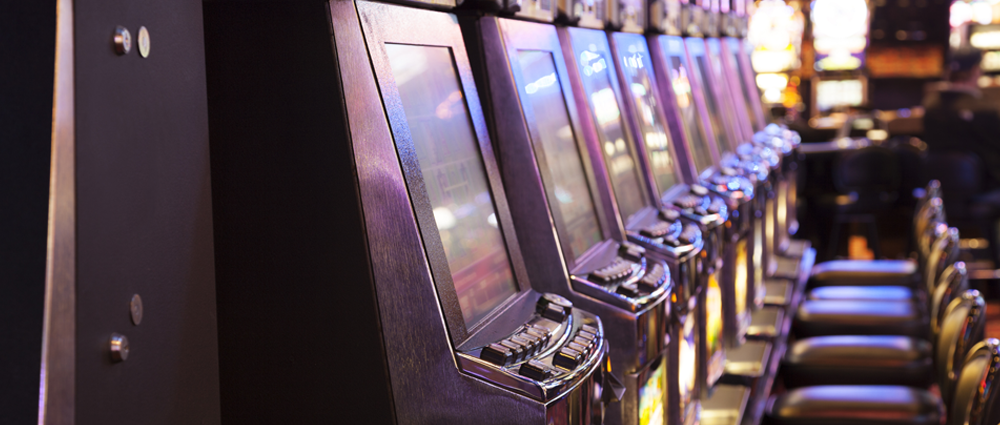
The stakes are enormous. An EGM is, in essence, a vault disguised as entertainment. Inside, cash boxes, ticket printers, and logic boards hold not only monetary value but also the credibility of the operator. A breach of that vault is more than a financial loss; it’s a reputational crisis. Regulators know this, which is why standards like GLI-11 mandate tamper-resistant locks, electronic audit trails, and door monitoring systems. Players know it too, even if subconsciously—if machines feel vulnerable or compromised, trust in the fairness of the game evaporates.
This context sets the stage for the deeper challenges machine manufacturers face today. While trust is the unspoken currency of the casino floor, maintaining it requires grappling with a host of operational, regulatory, and design pressures. From the chaos of key management to the growing sophistication of tampering threats, manufacturers are confronting issues that extend far beyond the game itself. These pressures form the backdrop for understanding the key challenges shaping the industry today.
The Hidden Crisis of Keys and Complexity
Walk into any casino and you’ll find a sea of cabinets, each requiring regular access for servicing, cash handling, or inspections. Traditionally, each of those access points is controlled by a physical key. Multiply that across hundreds or even thousands of machines, and the complexity becomes staggering. Lost keys prompt expensive rekeying. Duplicate keys fall into the wrong hands, opening the door to insider fraud. Operators juggle intricate hierarchies of master keys, technician keys, and emergency overrides—each one a potential liability.
This isn’t just an operational inconvenience; it’s a security crisis waiting to happen. In recent years, casinos have begun exploring electronic credential systems—smart keys, RFID badges, and PIN-based access—that reduce key sprawl and provide a digital trail of who accessed what, when. For an industry under constant regulatory and criminal scrutiny, traceability is not optional; it’s quickly becoming a requirement.
When Machines Become Targets
Beyond the challenges of key management lies a more visceral problem: tampering and abuse. Gaming machines are among the most frequently touched assets in the entertainment sector. They are opened daily for maintenance, often in public view. That exposure makes them targets—not just for petty vandalism but for sophisticated attacks. Lock picking, drilling, and brute force entry all remain real threats.
Manufacturers face the challenge of designing cabinets that can withstand this pressure without signaling obvious points of vulnerability. Exposed locks act like neon signs for attackers. In response, design priorities have shifted toward concealed or flush-mounted hardware that blends seamlessly into the cabinet’s aesthetic. By hiding the lock, manufacturers eliminate a target while also improving the sleek, modern look that players expect. Internal latching and multi-point systems go further, resisting pry attacks and leaving tamper evidence when breaches occur. The balance between invisibility and strength has become one of the defining engineering puzzles in the industry.
Regulation Tightens Its Grip
The regulatory landscape is evolving just as quickly as the machines themselves. Requirements now go beyond physical resistance. Increasingly, regulators demand that machines maintain digital accountability: audit trails that capture every access attempt and integrate with existing casino management systems. In practice, this means that a lock is no longer just a lock. It is an endpoint in a larger data network, feeding information into systems designed to detect irregularities and enforce compliance across hundreds of machines.
For manufacturers, this creates a design paradox. How do you build a cabinet that satisfies the most stringent regulations across multiple jurisdictions without burdening operators with layers of complexity? The answer increasingly lies in hardware designed from the start to integrate seamlessly with electronic monitoring, alarm, and slot accounting systems.
 |
The 24/7 Challenge of Durability
Even the most secure lock is worthless if it fails under the relentless pressure of the casino environment. EGMs endure constant use, handling, and cleaning—24 hours a day, 365 days a year. Dust, spills, smoke, and human wear push hardware to its limits. Without proper design and with lower quality hardware, hinges fatigue. Gas springs lose their lift. Panels warp. Each small failure contributes to downtime, and downtime means lost revenue.
Durability, then, is not a secondary concern. It is as central to profitability as the game on the screen. Motion control devices like gas springs ensure panels open smoothly and safely, protecting both the operator and the sensitive electronics inside. Robust hinges and sealing profiles extend the life of the cabinet and shield components from environmental damage. Every design choice reverberates in the long-term value of the machine.
A Shift Toward Systems Thinking
For years, many manufacturers explored access hardware as a checklist: source a lock, pick a hinge, choose a spring. The result was often a patchwork of parts that solved immediate problems but created inefficiencies down the line. Today, a new mindset is emerging—one that treats access not as a collection of components but as an access system.
A system approach considers every access point—belly doors, stacker compartments, logic areas—not as separate challenges but as elements of a unified whole. Electronic latching integrates with monitoring systems. Internal latches and concealed hardware enhance both security and design. Gas springs and positioning controls ensure safe, repeatable access. Sealing profiles maintain clean environments for sensitive electronics. Taken together, this is more than machine hardening; it is machine engineering.
The Allegis Perspective
As the industry convenes at G2E, the spotlight will inevitably shine on new titles and dazzling displays. But the real story is unfolding behind the doors of the cabinets themselves. Security, compliance, durability, and operational simplicity are not side notes; they are the foundation on which the entire gaming experience rests.
At Allegis, we see access hardware a critical engineered approach that is unique to every machine design. Our role is to help manufacturers move beyond individual equipment decisions and toward engineered systems that protect revenue, simplify compliance, and extend the life of their machines. By weaving together electronic and secure latching, motion control, calibrated hinging, and environmental sealing, we offer more than products—we offer a system designed for the future of gaming.
The casino floor may thrive on spectacle, but the industry’s future depends on the unseen hardware that keeps the lights on, the doors secure, and the trust unbroken.